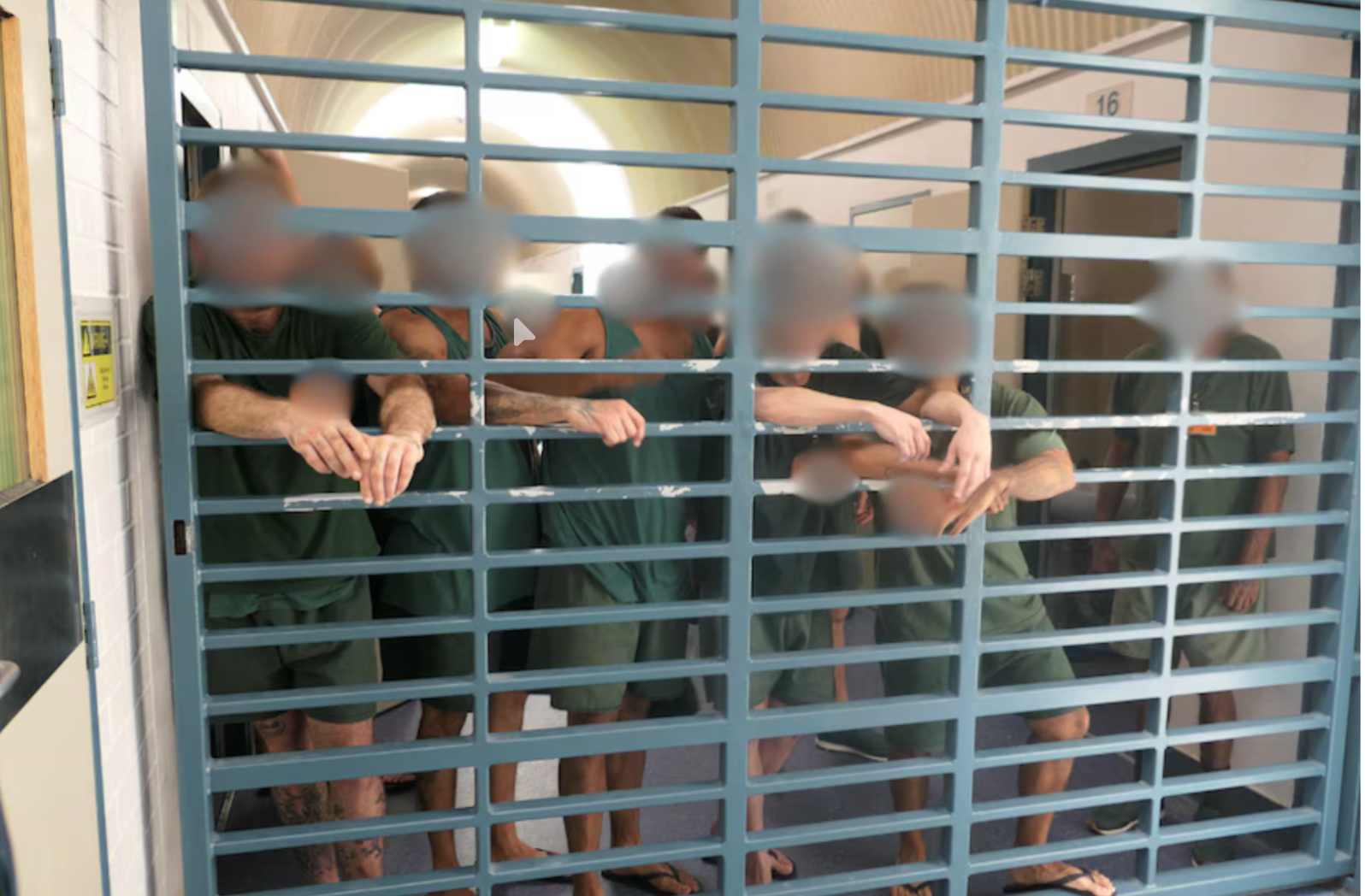
I attended a meeting on Wednesday evening about the health of WA's prison population and drove home with a familiar feeling of anger, disbelief, and helplessness. I thought I’d learned to manage it, but some truths still shake me. As many as 70 per cent of people in Western Australian prisons have a brain injury, and the moment they enter custody, they lose access to Medicare, their GP, their regular medication, and even the right to be represented by the Australian Human Rights Commission.
How Brain Injury and PTSD Intersect Behind Bars
Brain injury is disorientating. The gaps in memory and reason. The fear. The struggle to explain to others what is happening inside your head while looking normal on the outside; your identity melts away, leaving you in a fog of instinct, habit, and reflex. Now imagine living through that in a prison cell with no advocate, no GP, no continuity of care, no human rights framework, and no way to articulate your own needs.
That’s what shook me.
This isn’t an abstract policy failure but an identity crisis happening at scale.
When my own brain injury tore through my life, I had the privilege of people around me who wanted me alive, wanted me whole, wanted me back. Even then, the PTSD that surfaced later was destabilising. Identity reconstruction is like rebuilding a house using only the rubble and whatever memory your body still carries.
The Hidden Cost of Removing GP and Medication Access
Most prisoners don’t get that chance. Not because they’re undeserving, but because the system isn’t built to see them as human in the first place. Inside WA prisons, healthcare becomes a closed loop: under-resourced, opaque, and disconnected from the national healthcare structure. Prisoners with brain injury, who already struggle with memory, impulse control, emotional regulation, communication, and planning, are expected to navigate a complex, convoluted system.
Brain-Injured Prisoners Lose Access to Medicare
Prison’s denial of freedom is its punishment, a place for reform and rehabilitation yet in WA, prisoners are punished for symptoms and ignored for their disabilities; no Medicare, no GP, no psychologist, no oversight, and no one keeping track of what is happening to their minds. PTSD becomes a silent, ever-present accomplice.
PTSD and the Silence That Protects Injustice
PTSD teaches you to avoid what hurts and step away from the truths that destabilise your sense of who you are and how the world works; turn away from the things that feel too big, too bleak, too loaded with shame or helplessness.
But trauma also teaches you something else: if you don’t speak the truth, it corrodes you. That’s why I write, why I speak. Why am I saying this now?
My own recovery taught me that silence is never neutral. Silence protects the status quo. Silence is the oxygen of injustice. And silence is the one thing people with brain injuries in prison cannot afford from the rest of us.
Why We Cannot Stay Silent About Brain Injury in Custody
The people in WA prisons with brain injuries are not a minor subgroup. They are the majority. They are people whose neurological injuries preceded their offences, shaped their vulnerabilities, distorted their decision-making, and now determine their ability to survive incarceration. Yet they are denied the very healthcare safety net designed to prevent harm.
It is hard to describe the anger that rises when you realise this, harder still to describe the helplessness that follows. Speaking and writing such uncomfortable truths is the only act of agency I have left.
A Human Rights Gap No One Talks About
WA’s treatment of brain-injured prisoners is not a bureaucratic oversight; it is a human rights failure. A failure we have normalised for far too long.